
LPG Properties – Physical Properties of LPG
What are LPG Physical Properties? Define LPG Properties
LPG describes flammable hydrocarbon gases including propane, butane and mixtures of these gases.
What are LPG properties?
LPG properties include the chemical properties of LPG and the physical properties of LPG.
Included in the LPG properties are propane boiling point, LPG gas density, LPG fuel (LP gas fuel) energy content, flame temperature, propane chemical formula, expansion and more, when you define LPG properties.
What is LPG – Define LPG

What is LPG?
LPG is primarily propane, butane, isobutane, and mixtures of these LPG fuel types.
LPG is produced during natural gas processing and petroleum refining.
LPG meaning describes flammable hydrocarbon gases.
LPG is liquefied through pressurisation as LPG in gas bottles.
The typical constituents of LPG are propane and butane. The propane formula (formula propane) is C3H8 and the butane formula is C4H10.
When you define LPG in different countries, the supply of LPG can be propane, butane or propane-butane blends.
In NZ, LPG is a propane-butane mix.
In Australia, LPG is just propane.
LPG exists as liquid or gas (vapour) as LPG in gas bottles, depending on pressure and temperature.
Natural Gas Liquids – NGL – have the same LPG composition plus a few more gases not normally included in LPG.
The full NGL list includes ethane, ethene, butylenes, propylene, propene, isobutene, butadiene, pentane, pentene and pentanes plus, as well as propane, butane and isobutane.
Define LPG – Definition of LPG
LPG stands for “Liquefied Petroleum Gas”, a flammable hydrocarbon gas that is a mixture of propane and/or butane, when you define LPG.
It is used primarily as a fuel for hot water, heating, cooking, and vehicles.
LPG is stored as a liquid under pressure and transported in gas bottles or cylinders.
What are LPG Properties?
As an answer to what are LPG properties, they include:
 Propane boiling point (boiling point for propane)
- Butane boiling point (boiling point for butane)
- LPG gas density
- LPG composition – components – constituents
- Propane formula – propane chemical formula
- Butane formula – butane chemical formula
- LPG boiling point
- LPG flame temperature
- autoignition temperature of LPG
- LPG flash point
- LPG gas pressure
- LPG gas odour
- Appearance of LPG
- Energy content of LPG
- LPG gaseous expansion
- Combustion formula of LPG
- LPG gas limits of flammability
- LPG nomenclature
- LPG molecular weight
- Propane formula (formula propane) is C3H8 and the butane formula is C4H10
We’ll review these most commonly referenced LPG properties…
LPG Properties Chart
| Propane formula (formula propane) |
C3H8
|
| Butane formula |
C4H10
|
|
Propane Boiling Point (boiling point for propane)
|
-42 °C or -44 °F
|
|
LPG Melting – Freezing Point
|
-188 °C or -306.4 °F
|
|
Specific Gravity of Liquid LPG
|
0.495 (25°C)
|
|
Liquefied Petroleum Gas Density
|
1.898 kg/m3 (15°C) or 0.1162 lb/ft3
|
|
Energy Content of Liquefied Petroleum Gas
|
25 MJ/L or 91,547 BTU/Gal (60°F)
|
|
Liquefied Petroleum Gas Gaseous Expansion
|
1 L (liquid) = 0.27 M3 (gas)
|
|
Propane Flame Temperature
|
1967 ºC or 3573 ºF
|
|
Limits of Flammability
|
2.15% to 9.6% LPG/air
|
|
Autoignition Temperature
|
470 °C or 878 °F
|
|
Molecular Weight
|
44.097 kg/kmole
|
LPG Boiling Point – Propane Boiling Point (Boiling Point for Propane)
What is LPG boiling point or propane boiling point (boiling point for propane)?
Water boils at 100°C or 212°F, becoming a gas (steam).
In contrast, of LPG – propane boiling point (boiling point for propane) is -42°C or -44°F, becoming gas vapour.
LPG stays liquid because it is under pressure in a gas cylinder.
As a liquid, LPG looks a lot like water.
LPG is colourless and odourless in its natural state.
LPG Density & LPG Specific Gravity
What are LPG density and LPG specific gravity? Define LPG density and specific gravity.
LPG gas density (propane) is 1.55 times heavier than air at 1.898 kg/m3 vs 1.225 kg/m3 for air (both 15°C at sea level).
LPG (propane) liquid is about half that of water at 495 kg/m3 (25°C) vs 1,000 kg/m3 (4°C) for water.
Specific gravity of propane and water is 0.495 (25°C) and 1.000 (4°C), respectively.
What is LPG Density – What is LPG Specific Gravity for Liquid LPG
 Conversely, 1L of LPG liquid weighs 0.51kg.
Propane Formula – Formula for Propane
Propane Chemical Formula – Chemical Formula Propane
Propane Molecular Formula (Molecular Formula Propane)
The propane chemical formula (propane molecular formula) is C3H8
The propane formula (formula for propane) means each molecule of propane consists of three carbon atoms and eight hydrogen atoms.
Propane Structure – Propane Structural Formula- Structure Propane
Propane structural formula (propane structure) can also be written as CH3CH2CH3
Propane Molar Mass – Molar Mass of Propane
Molecular Mass of Propane – Propane Molecular Mass
The molar mass of propane (propane molar mass) C3H8 is approximately 44.1 g/mol.
The molecular mass of propane (propane molecular mass) is calculated by totaling the molar mass of three carbon atoms (3 x 12.01 g/mol) and eight hydrogen atoms (8 x 1.008 g/mol).
LPG Density as a Gas: LPG – Propane is Heavier than Air
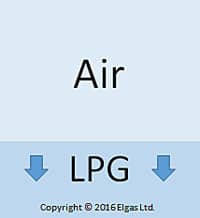 1 ft3 of LPG (propane) gas weighs 0.1162 pounds.
12 Important Liquefied Petroleum Gas – What are LPG Gas Facts You Should Know
1. LPG is the acronym for liquefied petroleum gas or liquid petroleum gas.
2. LPG is a group of flammable hydrocarbon gases liquefied through pressurisation and stored as LPG in gas bottles.
They are, in most cases, used as LPG fuel.
3. LPG comes from natural gas processing and petroleum refining.
4. There are a number of gases that fall under the “LPG” label.
We define LPG as propane, butane and isobutane (i-butane), as well as mixtures of these gases.
5. LPG gases are compressible into liquid at low pressures and stored as LPG in gas bottles.
6. The common uses for LPG include use in gas heating, cooking, hot water and vehicles.
LPG is also utilised in refrigerants, aerosol propellants and petrochemical feedstock.
7. LPG is stored, as a liquid, in steel vessels ranging from small BBQ gas bottles to larger gas cylinders and LPG in gas storage tanks.
What is an LPG Name? LP Gas = Propane

In NZ, LPG is a propane-butane mix.
In Australia, LPG is propane.
What is a name other than LPG?
We can also define LPG as: LPG Gas, LP Gas, LP Gas Fuel, Propane, BBQ Gas, Camping Gas or Autogas.
LPG can be other gases in other countries.
Propane is a three carbon molecule with the formula C3H8.
The illustration shows a model of the molecule.
What is LPG Temperature: Flame, Boiling Point, Melting/Freezing Point
What are LPG gas temperature includes flame temperature, propane boiling point and LPG freezing temperature.
LPG temperature also affects the pressure of LPG in gas bottles.
 LPG flame temperature (when burned with air) is 1967ºC or 3573ºF.
LPG (propane) gas boiling temperature is -42°C or -44°F, as compare to water at 100°C or 212°F
LPG boiling point is where liquid propane boils and becomes vapour (gas).
LPG (propane) gas melting/freezing temperature is at -188°C or -306.4°F.
So, LPG temperature for freezing is a much lower temperature than water, which freezes at 0ºC.
What is LPG Pressure?
As mentioned before, LPG is stored in gas bottles under pressure.
The term “LPG pressure” refers to the average force per unit of area that the gas exerts on the inside walls by the LPG in gas bottles.
LPG Gas Pressure – LP Gas Temperature Chart shown)

LPG pressure measurement is in kilopascals (kPa) or pounds per square inch (psi).
“Bar” is yet another unit of measure for pressure.
1 Bar = 100 kPa, so it is metric based but not an SI unit of measure.
LPG gas pressure can vary based on temperature, as shown in the chart.
The level of LPG gas fill in the gas bottle comes into play when the LPG is in use, as it affects the rate of vapourisation.
LPG is a liquefied gas.
So, the LPG gas pressure inside the cylinder will remain the same from full until the vaporistion of the last of the liquid LPG.
Then the LPG gas pressure will fall, with the use of the last of the LPG vapour.
Odourant Added for Safety – What are LPG Odorants
 What are LPG odorants? The most common LPG odorant is ethyl mercaptan.
LPG Hazards of Direct Contact – Cold Burns
LPG Energy Content – Propane
LPG Calorific Value of ‘Water Gas’
LPG Gaseous Expansion Ratios
 LPG expands to 270 times the volume when LPG goes from liquid to gas.
What is an LPG Combustion Formula Equation
 Propane Formula Equation for Complete Combustion of LPG:
What is an LPG Equation for Incomplete Combustion of Propane?
Propane formula for incomplete combustion in symbols: 2 C3H8 + 9 O2 → 4 CO2 + 2 CO + 8 H2O + heat.
LPG Flame Temperature – Propane Flame Temperature
What are LPG Limits of Flammability
LPG Flash Point Temperature
LPG Autoignition Temperature for Propane & Butane
LPG Gas Dissipation
LPG Molecular Weight for Propane – Butane – Isobutane
LPG Vapour (Gas) Use vs. Liquid Use
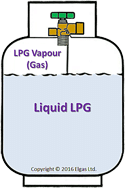 LPG supply is either liquid or vapour.
What are LPG Things You Didn’t Know – 6 Facts
While you may know some of these LP gas (liquid petroleum gas) facts, chances are you don’t know all of them.
Have a read and learn more about:
1. Real LPG Explosions are Really Rare
2. Simulated Natural Gas from LPG
3. The Source of LPG
4. LPG gas is NZ-Australian Made Energy
5. LPG is a Renewable Energy Source
6. LPG is NOT Coal Seam Gas (CSG)
1. LPG Gas Cylinder Explosions are Extremely Rare
Hollywood and the media would have you believe that LPG gas cylinder explosions are a common event.
In fact, LPG gas explosions are quite rare and it is quite difficult to even make an LPG gas cylinder explode on purpose.
Most gas explosions are the result of gas leaking into a confined space, like a kitchen.
This is no more likely with LPG than with piped natural gas.
Often, the gas bottle itself is not even involved in the event, as LPG gas bottles are always stored outdoors.
2. Simulated Natural Gas from LPG
Most people have never even heard of Simulated Natural Gas (SNG) let alone know that it can be made with LPG.
Mixing vapourised LPG gas with air produces SNG.
We can use SNG in place of natural gas, as it has near identical combustion characteristics.
It can be used alone or mixed with regular natural gas.
There are no changes required in burners, regulators or gas jets.
There are a number of reasons to use SNG:
• To help meet peak demand when natural gas supplies are inadequate
• To operate while in preparation for the start-up of a natural gas supply
• As a stand-by in the event of a natural gas supply disruption
Simulated natural gas has a few names.
Besides SNG, it is also called propane-air and LPG gas-air.
3. What are LPG Sources
Many people mistakenly think of LPG as a by-product.
In reality, LP gas is a valuable co-product produced from gas fields and crude oil refining.
They process the gas stream from natural gas fields to separate the gases present.
These include methane, ethane, propane, butanes and pentanes.
Impurities are also removed, including water.
The produced gases are each funneled into their own supply streams.
They capture propane and butane, the two common types of LPG, and store them in their liquefied form.
The same is true of crude oil refining.
The refinery process creates many co-products.
The co-products include gasoline, diesel fuel, asphalt base, heating oil, naphtha, kerosene and LPG gas.
4. What is LPG Autogas?
LPG is the only motor fuel in which NZ and Australia are self-reliant.
Unlike both petrol and diesel, for which NZ and Australia rely on imports, we produce more LPG gas than we consume.
Not only are we completely self-sufficient in LPG but we are also a net exporter of LPG.
5. What is an LPG Renewable Energy Source – Liquefied Petroleum Gas
 LPG has gone from being a traditional fossil fuel to a new form of renewable energy.
Scientists have created a genetically engineered version of the common E. coli bacteria.
This version produces propane (LPG).
So, LPG is now a renewable energy.
The bacteria consume sugar.
With genetic modification, and the help of a couple of enzymes, they make propane.
The propane produced is chemically identical to regular propane.
6. LPG is NOT Coal Seam Gas (CSG)
There is some confusion over what Coal Seam Gas (CSG) is and what it is not.
LPG is not CSG.
While CSG may contain various gases, typical CSG is 95% to 97% pure Methane.
LPG is not Methane.
LPG is Propane.

Eric has served on multiple committees for the World LPG Association (WLPGA), contributing to important discussions and advancements within the global LPG sector. He has presented at WLPGA Annual Conferences, sharing his expertise as a speaker, panellist, and panel chair.
- Can Gas Tanks Explode? Gas Bottle – Gas Cylinder Explosion - August 5, 2026
- What Size Hot Water Cylinder Do I Need – NZ - August 5, 2026
- Can You Leave a Gas Bottle in the Sun - July 29, 2026